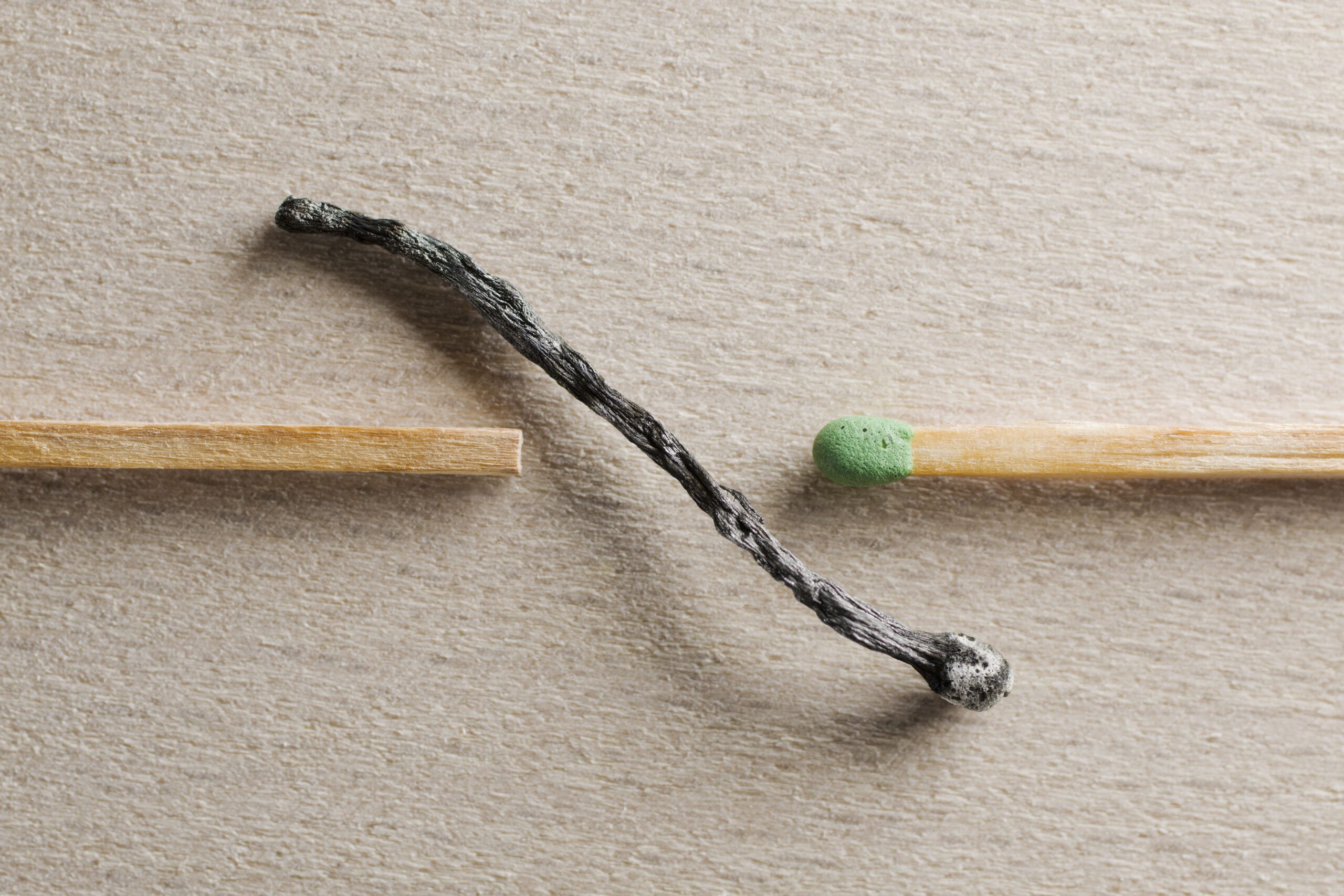
Storytelling has been part of the human experience for as long as language has existed. It’s how we pass down history, share values, and make sense of the world. But beyond folklore and fiction, storytelling plays a much more personal and powerful role—it shapes who we are. Every person tells stories, whether consciously or not, and these stories help form our personal identity.
The Stories We Tell Ourselves
From an early age, we begin forming an internal narrative about ourselves—who we are, what we’re capable of, what we’ve experienced, and what we believe. These narratives are built through personal memories, family anecdotes, cultural influences, and life events. Over time, these stories become the lens through which we see ourselves and our place in the world.
For example, someone who was often praised for being creative as a child may grow up with a strong sense of themselves as an “artist,” even if their career takes them in a different direction. On the other hand, if someone was often told they were shy or difficult, that story may linger and influence how they engage with others, even into adulthood.
Stories and Self-Understanding
The act of reflecting on and retelling our experiences allows us to make meaning from them. When we share a story—whether with a friend, in a journal, or even just in our thoughts—we’re not just recalling facts. We’re interpreting what happened, choosing what details to emphasize, and deciding what the experience means to us.
In doing so, storytelling becomes a form of identity construction. It allows us to process change, understand loss, celebrate growth, and recognize patterns in our behavior. The more we tell and revisit these stories, the more they reinforce our sense of self. We begin to understand what matters to us, what we stand for, and how we’ve evolved over time.
Influence of Cultural and Family Narratives
While our individual experiences are important, we’re also shaped by the stories that surround us. Family traditions, cultural myths, and social expectations all feed into our personal identity. A person who grows up in a family that values resilience and hard work may internalize those stories and view themselves through that lens, even if they later challenge or rewrite that narrative.
In this way, identity is not static. It’s constantly evolving as we absorb new stories and reinterpret old ones. Sometimes, breaking free from inherited narratives can be just as important as embracing them.
Storytelling and Connection
Our stories don’t just shape how we see ourselves—they also shape how others see us. Every time we share something about our life with someone else, we’re offering a version of ourselves. The more authentic and reflective our storytelling is, the more it fosters real connection. This is why personal storytelling is so powerful in therapy, support groups, or even casual conversations—it helps people feel seen, understood, and validated.
Additionally, when we listen to others’ stories, we expand our understanding of the human experience. We find common ground, challenge our assumptions, and sometimes even reframe our own story in the process.
Rewriting Your Story
One of the most empowering aspects of storytelling is that it can change. Just because you’ve always told yourself a particular story doesn’t mean it’s the only one available to you. People who go through major life transitions—recovering from illness, overcoming trauma, or discovering a new purpose—often talk about “rewriting their story.” This doesn’t mean denying the past, but rather reinterpreting it in a way that brings strength, insight, and forward momentum.
By becoming more aware of the stories we tell about ourselves, we gain the power to shape our identity with intention, rather than letting it be defined by outdated scripts or external expectations.
Conclusion
At its core, storytelling is not just about entertainment or tradition—it’s about identity. The stories we tell, believe, and share form the foundation of how we understand ourselves and how we relate to others. By being mindful of our personal narratives, we gain the opportunity to shape our identity in ways that are honest, empowering, and deeply human.
Take a look at these resources :
https://www.autoviews.com.au/
https://www.cartalks.com.au/
https://www.truepress.com.au/
https://www.primepost.com.au/
https://www.financewire.com.au/
https://www.investorsdesk.com.au/
https://financejournal.com.au
https://digitalechnology.ca/
https://technologyresearch.ca/
https://healthindustry.ca/
https://businessledger.ca/
https://bankingandfinance.ca/
https://businessinvesting.ca/
https://travelandtour.ca/
https://worldtraveltour.us/
https://topeducations.us/
https://betterthisworld.co.uk/
https://avstarnews.co.uk/
https://digitalbeanstalk.com.au/
https://designoutdoorblinds.com.au/
https://piechartscanbepizzas.com.au/
https://heatherhawk.com.au/
https://trellisdesignlab.com.au/
https://pakoasianstore.com.au/
https://solucorplegal.com/
https://christiangayschat.com/
https://masnews.org/
https://Forlicoupon.it/
https://teenladysex.com/
https://limzpoker.com/
https://hfhmjhome.com/
https://donacopoker.org/
https://goodgood.me/
https://invsys.co.uk/
https://nsteam.org/
https://fashiontrendlook.com/
https://bundallecc.com.au/
https://ywitg.com.au/
https://lhospital.org/
https://cupihd.org/
https://ungroundedthinking.com/
https://pokerdiamond.net/
https://arwanapoker.org/
https://fossiloftheday.com/
https://lamentable.org/
https://plateaustategov.org/
https://verlindenswa.com.au/