Boating conditions can change quickly. Calm water can become challenging when wind strengthens, currents shift, or weather begins to deteriorate. For boat owners who regularly fish, cruise, or explore coastal waters, preparation is essential. While navigation equipment, safety gear, and engine maintenance often receive plenty of attention, the anchoring system deserves equal consideration.
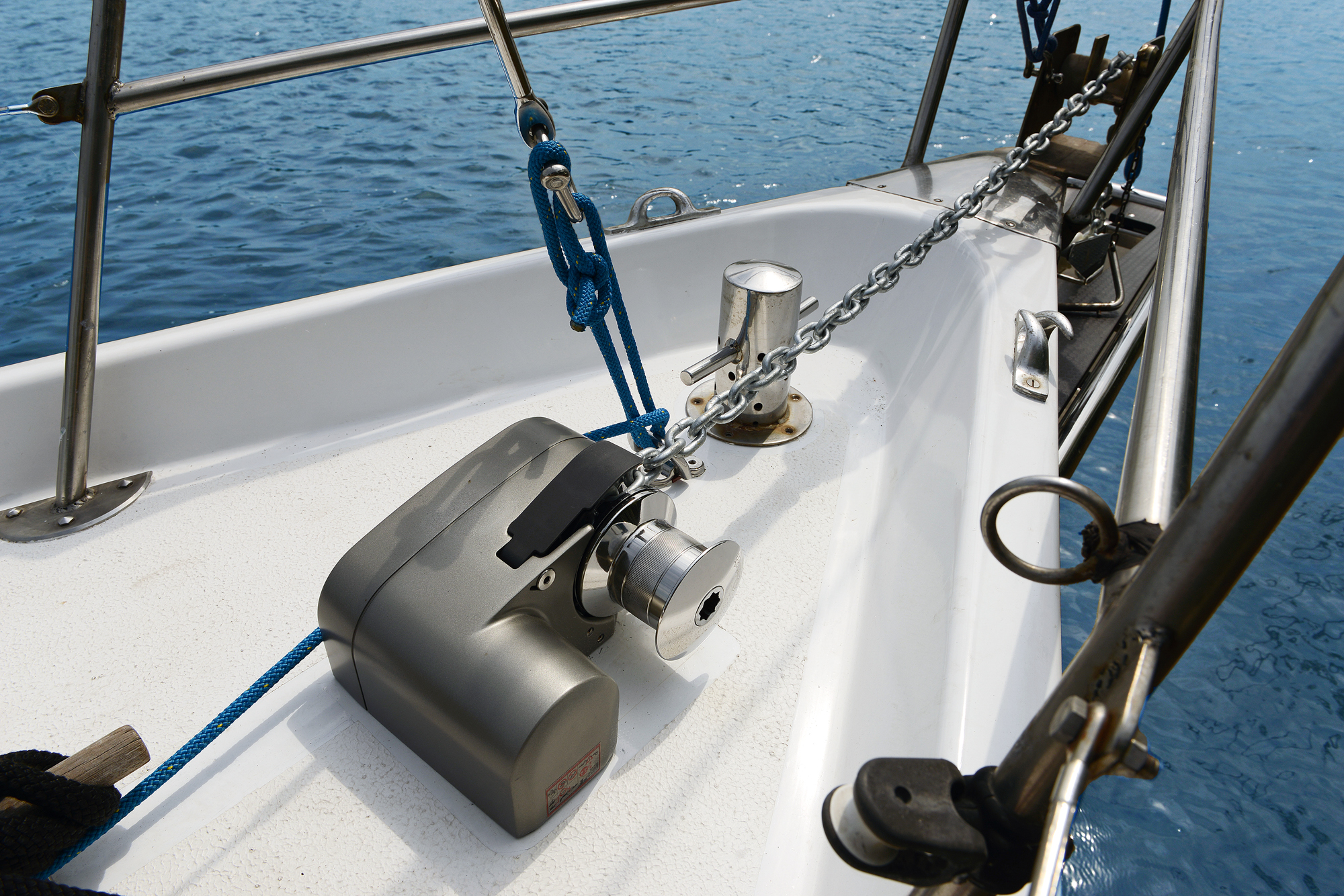
A dependable GX2 anchor winch can become an important part of a well-prepared boat. It helps make anchor deployment and retrieval more controlled while reducing the physical effort involved in managing the anchoring process. When tougher conditions arrive, having equipment that is properly selected, installed, and maintained can make life on the water considerably easier.
Build A Reliable Anchoring Setup
An anchor is only one component of an effective anchoring system. The winch, rope, chain, anchor, mounting arrangement, and electrical system all need to work together.
Before heading into demanding conditions, boat owners should inspect the complete setup rather than focusing only on individual components. Ropes should be examined for signs of wear or damage, and chain connections and attachment points should be secure. The anchor itself should also be appropriate for the boat and the type of seabed commonly encountered.
A well-matched system provides greater confidence because every component has been selected to complement the others.

Consider The Demands Placed On Your Winch
Different boating activities create different anchoring requirements. A boat used for occasional trips in protected waterways may experience very different demands from one regularly used for offshore fishing or coastal exploration.
The GX2 anchor winch is designed to provide a compact anchoring solution for boat owners who value convenient operation and efficient use of available space. When choosing an anchoring system, however, it remains important to consider factors such as vessel size, anchor weight, expected operating environment, and the amount of rope and chain required.
Thinking about real boating conditions rather than simply purchasing equipment based on appearance can lead to a more practical setup.
Check The Electrical System Before Departure
An electric anchor winch depends on a healthy electrical system. Battery condition, wiring, switches, circuit protection, and electrical connections should therefore be inspected as part of regular boat preparation.
Marine environments can be particularly demanding on electrical components. Moisture and salt exposure may gradually affect connections if they are neglected. Loose or damaged wiring can also interfere with dependable winch operation.
Before a longer trip, operate the winch while the boat is still in a controlled environment. Listen for unusual sounds and confirm that deployment and retrieval operate smoothly. Identifying a minor issue before departure is far easier than dealing with it when conditions have already become difficult.
Practice Controlled Anchor Deployment
Preparation is not limited to equipment. The person operating the boat should also be familiar with the anchoring process.
Practice deploying the anchor in manageable conditions and observe how the boat responds. Pay attention to current direction, wind, nearby vessels, water depth, and surrounding obstacles. Controlled deployment can help prevent unnecessary tangles while allowing the anchor and rode to settle correctly.
Knowing the controls of your GX2 system beforehand means you are less likely to hesitate when quick but careful action is required.
Keep The Bow Area Organised
A cluttered bow can create unnecessary problems during anchoring. Loose fishing equipment, bags, ropes, and other items may interfere with the anchor system or create trip hazards.
Keeping the anchoring area clear helps the winch perform its intended function without avoidable obstruction. It also gives crew members more room to move safely when they need to inspect equipment.
Good organisation becomes especially valuable when the boat is moving in rougher water. Everything should have a designated storage location, and essential equipment should remain accessible without blocking the anchoring arrangement.
Inspect Equipment After Harsh Conditions
Preparation should continue after returning to shore. Salt, moisture, sand, and debris can accumulate on marine equipment during normal use, particularly following demanding trips.
Inspect the winch and surrounding components after exposure to harsh conditions. Follow the manufacturer’s recommended cleaning and maintenance procedures, and pay attention to mounting hardware and electrical connections. Small signs of deterioration are generally easier to address when discovered early.
Regular inspections also provide an opportunity to examine the anchor rope and chain. Repeated anchoring around rocks, reefs, or abrasive seabeds can gradually create wear that may not be immediately obvious.
Think Ahead Before Conditions Change
One of the most useful boating habits is making decisions before circumstances become difficult. Waiting until strong wind or rough water arrives before checking an anchor system creates unnecessary pressure.
Review weather forecasts, consider the planned route, inspect essential equipment, and make sure everyone aboard understands basic procedures before leaving. Anchoring equipment should form part of this preparation alongside communications, navigation, flotation, and emergency gear.
A reliable winch cannot replace good seamanship, but it can support it by making one important onboard task easier to manage.
Confidence Starts With Preparation
Tough marine conditions place additional demands on both people and equipment. Preparing the anchoring system in advance gives boat owners one less uncertainty to manage when conditions become challenging.
A properly installed and maintained GX2 anchor winch, supported by suitable anchoring components and a sound electrical system, can help create a more practical and dependable setup. Combined with regular inspections, organised equipment, careful planning, and responsible boating practices, it can contribute to smoother anchoring whether you are fishing offshore, exploring coastal waters, or simply preparing for the unexpected.